Overview
Outdoor fountains have a rich history, evolving from ancient civilizations to modern designs. They enhance garden aesthetics, provide tranquility, and can improve air quality. Fountains come in various styles and materials, catering to different tastes and spaces. Incorporating a fountain or bird bath into landscaping not only beautifies but also attracts wildlife and increases property value. Modern options include solar-powered fountains, promoting sustainability. Ultimately, outdoor fountains serve both functional and decorative purposes, creating serene outdoor spaces.
Key Takeaways
-
Historical Significance: Outdoor fountains date back to ancient civilizations, serving both functional and decorative purposes.
-
Roman Innovations: The Romans advanced fountain design with elaborate sculptures and multi-tiered structures, integrating them into public and private spaces.
-
Modern Styles: Today's outdoor fountains range from traditional tiered designs to sleek, minimalist styles, accommodating various tastes and garden layouts.
-
Environmental Benefits: Fountains improve air quality, attract wildlife, and create natural soundscapes, enhancing the ecological environment.
-
Solar-Powered Options: Solar water features are increasingly popular, offering energy-efficient and low-maintenance solutions for garden aesthetics.
-
Choosing the Right Fountain: Consider size, style, materials, and functionality when selecting a fountain to ensure it complements your outdoor space.
-
Cultural Symbolism: Fountains often symbolize life and purity, carrying cultural significance and serving as gathering points in public spaces.
Outdoor fountains have captivated the hearts and minds of humans for centuries. From their humble beginnings in ancient culture to their modern-day prominence in gardens and landscapes, the evolution of these stunning water features is intriguing. This article celebrates the rich history and transformation of outdoor fountains, shedding light on their various styles, materials, and their significant role in enhancing garden aesthetics.
The Ancient Origins of Fountains
Fountains date back to ancient civilizations, where they served both functional and decorative purposes. The earliest known water features can be traced to the Mesopotamian and Egyptian cultures, which constructed simple fountains using available materials. These early outdoor fountains were primarily utilized for irrigation and domestic needs, with designs evolving over time.
In ancient Greece, fountains were integrated into public spaces, showcasing both artistry and engineering prowess. Greeks constructed large public fountains adorned with intricate sculptures and impressive architecture. These fountains symbolized abundance and prosperity, often being situated in prominent locations to emphasize their importance.
The Roman Influence on Fountain Design
The Romans took fountain design to new heights, showcasing their engineering skills and appreciation for beauty. Roman outdoor fountains featured elaborate sculptures, multi-tiered designs, and intricate mosaics. They built extensive aqueduct systems to supply water to public fountains, which became central to social gatherings.
The iconic image of a fountain in a garden is partially attributed to the Romans, who incorporated fountains into their luxurious villas and gardens. These early garden fountains not only provided water but also added an element of tranquility and serenity to the surroundings.
The Renaissance and Baroque Eras
As Europe transitioned into the Renaissance and Baroque periods, the artistry of fountains further evolved. Fountains became grander, with elaborate designs that featured flowing water, sculptures, and dramatic plays of light. Gardens became integral to feudal estates, and outdoor fountains were crucial in these designs, acting as focal points.
During the Baroque era, the concept of water features expanded. Artists like Gian Lorenzo Bernini began to create larger-than-life fountains that dazzled visitors with intricate designs and numerous water jets. Notable examples include the Trevi Fountain in Rome, which stands as a testament to the exquisite craftsmanship of the period.
The Functionality of Fountains
Fountains were not merely decorative; they also provided numerous benefits to their surroundings. They acted as cooling agents, helping to moderate temperatures in large estates or city squares. Additionally, the gentle sound of flowing water created a peaceful ambiance that attracted birds and wildlife, enhancing the ecological environment around them.
The Evolution of Outdoor Fountain Styles
The vast array of outdoor fountains today reflects a wide range of styles and materials. Whether you’re drawn to the classic elegance of a traditional tiered fountain or the modern simplicity of a sleek design, there’s a fountain to suit every taste and garden layout. Below are some popular styles that have emerged over time:
Traditional Outdoor Fountains
Traditional outdoor fountains often embody classical designs, featuring intricate stone carvings and multi-tiered structures. They can be made from various materials, including stone, concrete, and even rustic iron. The rustic iron water fountain spout, for instance, adds a charming touch to gardens with its vintage appeal and durable construction.
Modern Outdoor Fountains
Modern outdoor fountains utilize innovative designs and materials. Clear lines and minimalist approaches dominate the style, with glass and metal being popular choices. Garden water features that incorporate sound and movement often feature solar-powered technologies, making them energy-efficient and user-friendly.
Garden Fountain Options
The selection of garden fountains can vary greatly based on size and design. For smaller spaces, consider wall-mounted fountains that add charm without taking up valuable yard space. Larger landscapes can feature grand tiered fountains or multiple outdoor fountains that create a harmonious water feature environment.
The Rise of Water Features in Landscaping
In recent years, outdoor fountains and water features have become essential components of landscape design. Incorporating a fountain in a garden not only enhances the visual appeal but also creates an inviting atmosphere for gatherings and relaxation.
Several benefits of integrating outdoor fountains into landscaping include:
- Improved air quality through increased humidity
- Natural soundscapes that provide tranquility
- Attraction of local wildlife, particularly birds
- Increased property value by enhancing curb appeal
Bird Baths: A Popular Companion to Fountains
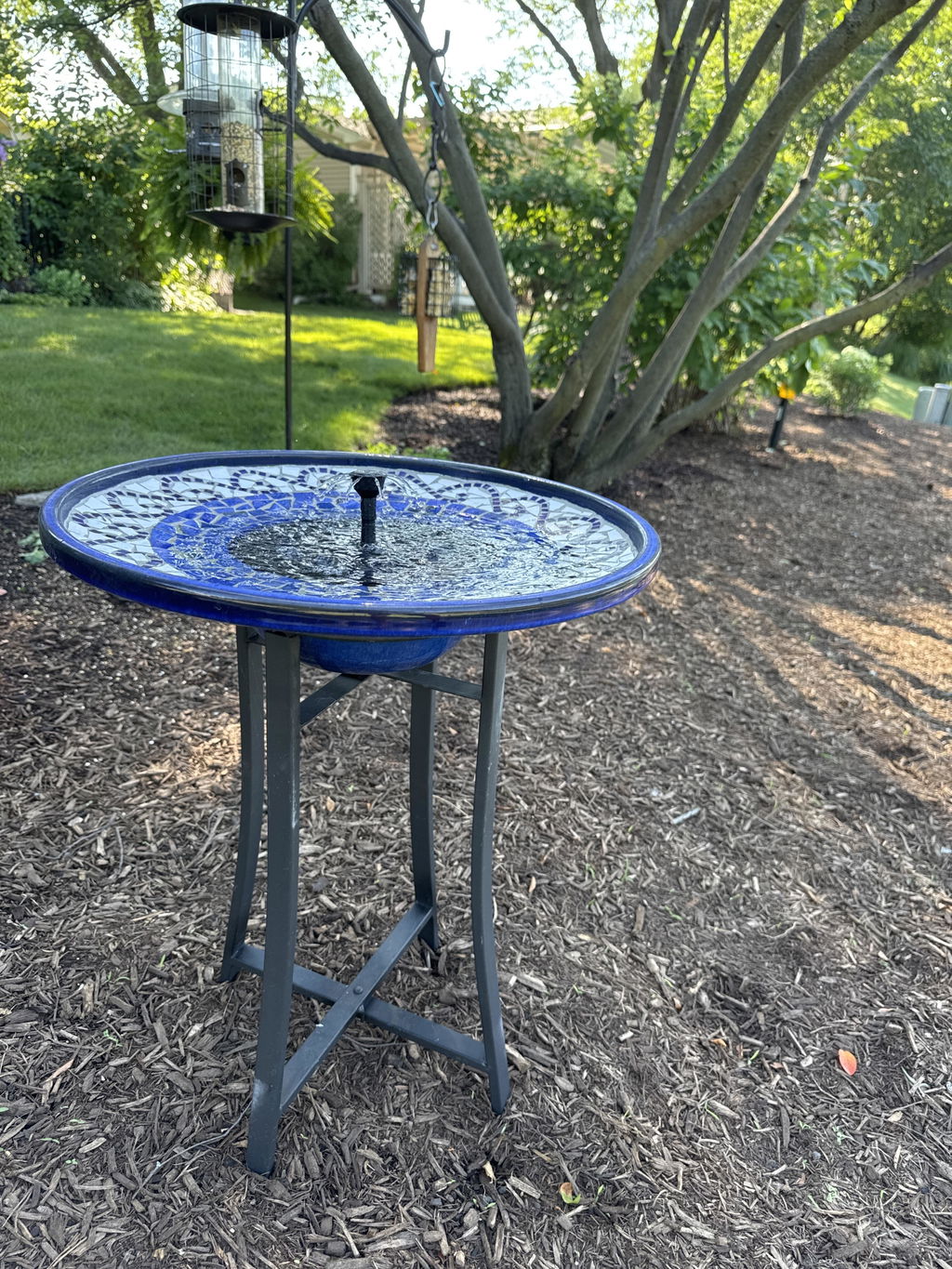
Many homeowners also incorporate bird baths in their outdoor spaces to attract and nurture wildlife species, enhancing the connection between nature and the garden. Different types of bird baths - such as the Concrete Bird Bath, Ceramic Bird Bath, and Stone Bird Bath - provide essential hydration and bathing areas for birds. Pairing a Bird Bath Fountain with a traditional bird bath enriches the outdoor area, creating a lively community for visiting birds while adding aesthetic charm.
The Solar Bird Bath Fountain represents a shift towards sustainable gardening practices. Utilizing solar energy ensures that birders can maintain their bird baths without relying on electricity. These models often feature attractive designs that complement various garden styles.
Choosing the Right Fountain for Your Space
When selecting an outdoor fountain or water feature, consider the following factors:
-
Size: Assess the available space in your yard to ensure the fountain is proportionate to your garden layout.
-
Style: Think about the architectural style of your home and surrounding landscapes to select a fountain that complements the overall scene.
-
Materials: Choose materials that will endure various weather conditions, such as concrete or stone for their durability.
-
Function: Consider what purpose you want the fountain to serve—whether purely decorative, functional, or both.
Fountains as Solar Water Features
With advancements in technology, solar-powered water features have surged in popularity. These fountains utilize solar panels to pump water, lowering energy consumption and costs. Homeowners can enjoy beautiful, maintenance-free outdoor fountains that operate sustainably. Solar water fountains and solar waterfall fountains make it easy to enhance garden aesthetics while being eco-friendly.
The Cultural Significance of Outdoor Fountains
Beyond their physical beauty, outdoor fountains often carry cultural significance. For many societies, fountains symbolize life, purity, and regeneration. They can serve historical functions, memorialize significant events or figures, and are frequently featured in public parks or gardens as gathering points. Different cultures may have unique interpretations or architectural styles that reflect their heritage.
The Role of Outdoor Fountains in Modern Landscapes
As we move into the future, outdoor fountains retain their place in landscape design. Whether in residential yards or public gardens, they continue to enhance the beauty of nature while improving environmental health. Stunning yard fountains provide joy and relaxation, fostering a sense of peace and tranquility in our lives.
Creating an Oasis with Outdoor Fountains
In summary, outdoor fountains encompass a vast history, from ancient civilizations to modern marvels. They have evolved to meet the changing aesthetic desires of society, while simultaneously maintaining core functions such as beauty, tranquility, and wildlife attraction. Transforming your garden into a serene oasis begins with selecting the perfect fountain, be it a rustic iron water fountain spout or a stunning solar water feature.
Outdoor fountains promise to usher in not just visual splendor but also a connection to nature and peace in our lives. The addition of thoughtful garden features, such as bird baths or innovative solar-powered designs, will enhance your space further, making your outdoor setting a welcoming retreat.
Let your backyard or garden reflect your personality and style with an elegant outdoor fountain that speaks to both form and function. Dive into the enchanting world of outdoor fountains and witness the transformative impact they have in every setting.
Linked Product

Giannini Garden Rustic Iron Water Fountain Spout GI-121
The Giannini Garden Rustic Iron Water Fountain Spout GI-121 combines functional design with aesthetic appeal, making it suitable for both outdoor and indoor water features. Its unique rust patina finish and ornate scrollwork backplate add a touch of Old-World charm, enhancing the ambiance of gardens, patios, and courtyards. Crafted from durable iron, this spout is designed for easy integration into custom fountains and installations, ensuring longevity and style.
View Product


Leave a comment