Overview
Fountains enhance well-being by providing calming water sounds that reduce stress, improve concentration, and promote mindfulness. Incorporating them into home and garden spaces creates serene environments that support mental health and emotional resonance. Their historical significance and accessibility make them valuable elements in design, fostering a connection with nature and contributing to overall tranquility.
Key Takeaways
-
Sound Therapy Benefits: The sound of water can lower anxiety, enhance mood, and promote relaxation.
-
Stress Reduction: Listening to water can significantly reduce cortisol levels, helping to alleviate stress.
-
Improved Concentration: Water sounds can enhance focus and productivity, making them ideal for workspaces.
-
Enhanced Sleep Quality: Fountains provide white noise that masks disruptive sounds, aiding in better sleep.
-
Cultural Significance: Fountains symbolize tranquility and renewal across various cultures and historical contexts.
-
Mindfulness Practices: Engaging with fountain sounds can foster mindfulness, encouraging relaxation and reflection.
-
Accessibility: Fountains can be enjoyed in various settings, from small urban homes to expansive public parks.
The tranquil sound of cascading water has long captivated humanity, serving not only as a delightful sensory experience but also as a powerful tool for enhancing our overall well-being. With the rise in popularity of decorative fountains—whether they're a quiet water fountain for home use or grand exterior fountains—the impact of these water features is becoming increasingly recognized in both psychological and physical wellness. In this article, we delve into the psychology of sound and explore how fountains can positively influence our mental state, reduce stress, and contribute to a serene living environment.
The Science Behind Sound and Well-Being
Understanding the psychological effects of sound is fundamental to appreciating why fountains can significantly enhance our well-being. The sound of water has a unique quality; it is often characterized by its rhythm, volume, and texture, which can evoke different emotional responses. Research in sound therapy has shown that specific sounds can lower anxiety levels, enhance mood, and prompt relaxation.
The Healing Qualities of Natural Sounds
Our ancestors understood the healing powers of nature long before modern science backed it up. The sound produced by flowing water, such as the gentle trickle of a fountain in a garden or the robust flow of an outdoor fountain, provides a continuous auditory backdrop that promotes calmness. This sounds natural and organic, creating a peaceful ambiance that can help diminish stress and anxiety.
-
Reduces Stress: Listening to water can lower cortisol levels, a hormone associated with stress.
-
Enhances Concentration: The soothing nature of water sounds can help improve focus and productivity.
-
Promotes Sleep: The white noise effect produced by fountains can mask disruptive sounds, helping you to achieve a restful night.
Creating Sanctuary Spaces with Fountains
Incorporating a quiet water fountain for home into your living space can transform an ordinary environment into a personal sanctuary. The strategic placement of these fountains can create a peaceful atmosphere, promoting relaxation and mindfulness. Whether it's in your garden, living room, or patio, fountains serve as a focal point that draws the eye and calms the mind.
The Role of Outdoor Fountains in Mental Health
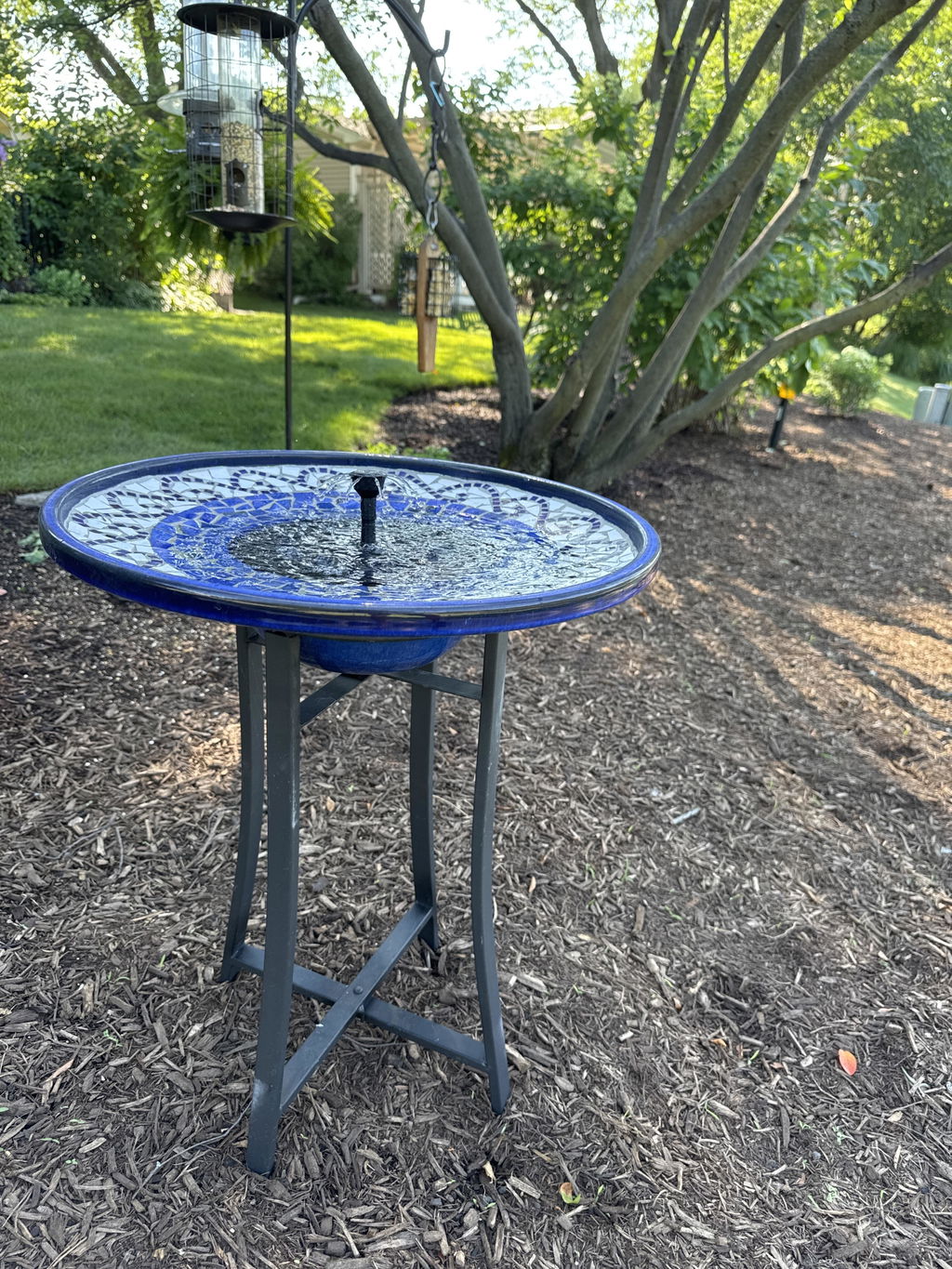
Outdoor fountains also play a crucial role in enhancing mental health. When situated in green spaces or gardens, they not only beautify an area but also invite interaction with nature. The harmony of flowing water with the sounds of birds and rustling leaves fosters an immersive environment that can heighten our sense of well-being. Being outdoors has been proven to reduce symptoms of anxiety and depression—fountains can amplify these effects by grounding us in the present moment.
Emotional Resonance of Water Sounds
The emotional response triggered by the sounds of water varies from person to person, yet many report feelings of peace, nostalgia, and even joy. This emotional resonance is partly linked to memories associated with water, such as vacations by a lake or childhood adventures by a river. By incorporating the serene sounds of fountains into your daily life, you can cultivate a personal soundscape that nurtures positivity.
Integration of Fountains in Design
Fountains can be strategically integrated into your home or garden design to create a harmonious vibe. Here are some tips:
-
Placement: Position the fountain where the sound can be heard easily, such as near seating areas or windows.
-
Complementary Elements: Pair your fountain in a garden with elements like a stone bird bath or flower beds to enhance the overall natural appeal.
-
Lighting: Incorporate soft lighting around the fountain to create a magical ambiance during evenings, enhancing the calming effects of the water sounds.
The Impact of Water Sounds on Health and Productivity
Many studies highlight the various health benefits of incorporating water sounds into our daily lives. For individuals who work from home or need to find a space where they can concentrate, the soothing sounds of a quiet water fountain for home can create an environment conducive to focus. Here's how:
Balancing Work and Relaxation
Incorporating outdoor fountains or garden fountains into your workspace can help delineate between professional and personal time. The sound of running water signals that it's time to unwind, helping to separate moments of productivity from relaxation. This balance is crucial for maintaining mental well-being in an increasingly digital world where boundaries between work and home blur.
Fountains as Cultural Symbols and Their Historical Significance
Throughout history, fountains have played a significant role in various cultures, symbolizing wealth, tranquility, and purity. From ancient Roman aqueducts to modern garden designs, fountains have been regarded as spaces of respite and rejuvenation. Understanding this cultural significance can enhance our appreciation of the water features we incorporate into our lives today.
A Connection to Nature and the Element of Water
The element of water holds a special place in numerous cultures and philosophies, often associated with renewal, healing, and peacefulness. This connection is emphasized by the presence of fountains within communal spaces, such as parks and retreat centers. Outdoor fountains serve as gathering points where individuals can experience the soothing sounds of water and reconnect with nature, contributing to collective well-being.
Accessibility and the Joy of Fountains
One of the most beautiful aspects of fountains is their accessibility. Fountains can be small, quiet water features that fit within urban homes or expansive exterior fountains that grace parks and public spaces. Regardless of their size, fountains provide a universal experience that can be enjoyed by everyone. Their ability to bridge the gap between architecture, nature, and human emotion makes them a vital element in urban planning and home design.
Creating Wellness with Stone Bird Baths
In addition to fountains, incorporating elements like stone bird baths into your outdoor space can amplify the tranquility of your environment. The gentle sounds of birds drinking from a bird bath, combined with the flowing water of a fountain, create a multisensory experience that promotes peace. Birds contribute to the lively sounds of nature, making your outdoor area a vibrant hub of well-being.
Setting the Scene for Mindfulness
The ultimate goal of incorporating fountains into our spaces is to create an environment that promotes mindfulness. Engaging with the sound of water fosters a meditative state, encouraging you to slow down, breathe, and connect with your surroundings. This mindfulness practice can be integrated into your routine, offering a simple yet effective way to combat stress in a fast-paced world.
Incorporating Mindfulness Rituals Around Fountains
Here are a few rituals you can adopt to enhance mindfulness in your space:
-
Morning Ritual: Begin each day by spending a few moments near your fountain, listening to the water and setting positive intentions.
-
Evening Reflection: End your day by sitting in proximity to your water feature, reflecting on your experiences, and feeling gratitude.
-
Moment of Pause: Whenever you're feeling overwhelmed, take a brief break near your fountain; focus on the sounds and sensations to recenter yourself.
By understanding the psychology of sound and how it relates to our well-being, it becomes clear why incorporating exterior water fountains into our lives can be a transformative experience. Whether you opt for a quiet water fountain for home, a fountain in a garden, or larger outdoor installations, these water features profoundly affect our emotions and mental health.
Your Path to Tranquility Awaits
Ultimately, investing in a fountain—whether it's a serene addition to your garden or a tranquil piece for your home—can set the stage for enhanced well-being. By taking the time to listen to the sounds of water, you are not merely decorating your space; you are intentionally curating a sanctuary that nourishes your mind, body, and spirit. Dive into the world of fountains and awaken your senses to the beauty of sound and tranquility—your path to serenity starts here.
Linked Product

Adagio Aspen Falls 54” H x 50” W Indoor Water Wall Fountain AFR1002
The Adagio Aspen Falls Indoor Water Wall Fountain offers a serene ambiance with the soothing sound of flowing water, making it suitable for various indoor spaces such as living rooms and offices. Its EZ-install bracket and concealed power cord ensure a clean setup, while the adjustable 3-way pull chain allows for independent control of lights and water flow. Available in multiple surface options, this fountain serves as a versatile and elegant centerpiece that enhances the aesthetic of any interior décor.
View Product


Leave a comment