Overview
Outdoor fountains enhance garden aesthetics and functionality, with material choices significantly affecting durability and maintenance. Key materials include stone (durable but heavy), concrete (versatile and budget-friendly), ceramic (colorful but fragile), metal (modern and durable), and wood (natural but requires maintenance). When selecting a fountain, consider design goals, maintenance needs, climate, and environmental impact, especially with options like solar-powered fountains.
Key Takeaways
-
Material Matters: The choice of material for your outdoor fountain affects its durability, maintenance, and aesthetic appeal.
-
Stone Fountains: Known for their durability and natural aesthetics, stone fountains require minimal maintenance but can be heavy and costly.
-
Concrete Options: Concrete fountains are versatile and budget-friendly, but they can crack if not maintained properly and may fade in color over time.
-
Ceramic Features: Ceramic fountains offer vibrant designs and are lightweight, yet they are fragile and may require more upkeep.
-
Metal Designs: Metal fountains provide a modern look and are durable, but they can heat up quickly in the sun and may rust without treatment.
-
Wooden Fountains: Wooden options blend well with nature and are customizable, but they require regular maintenance and have a limited lifespan.
-
Consider Your Environment: Choose materials based on your local climate and maintenance preferences to ensure longevity and functionality.
Outdoor fountains are more than just beautiful additions to our gardens, patios, and yards; they serve as focal points that elevate the aesthetic of any outdoor space. However, the materials used in creating these wonderful water features can significantly impact their durability, maintenance, and overall appearance. If you're contemplating investing in an outdoor fountain, whether it's a Bird Bath Fountain or a classic Concrete Fountain, understanding the pros and cons of various materials is essential. This article will explore popular materials used in outdoor fountains and their implications for functionality and design.
The Allure of Outdoor Fountains
A garden fountain doesn't just add visual interest; it also introduces the soothing sounds of running water, attracting diverse bird species. Whether opting for a Solar Bird Bath Fountain to embrace sustainability or selecting a traditional stone design, the material choice plays a vital role in the fountain's performance and longevity.
Popular Materials for Outdoor Fountains
Let's dive into some of the most common materials used in outdoor fountains and their respective advantages and disadvantages:
Stone
Stone is perhaps the most traditional material for exterior water fountains. It offers a natural look that blends seamlessly into garden landscapes. When considering a stone water feature like a Stone Bird Bath, you should keep a close eye on the following:
Pros:
-
Durability: Stone fountains can withstand harsh environmental conditions, ensuring longevity.
-
Natural Aesthetics: The rustic charm of natural stone adds sophistication and elegance to any space.
-
Low Maintenance: Generally, stone requires minimal upkeep compared to other materials.
Cons:
-
Weight: Stone fountains are often heavy and can be cumbersome to move.
-
Cost: High-quality stone materials can be more expensive than alternatives.
-
Porosity: Natural stone can absorb water, leading to potential cracks if not properly sealed.
Concrete
The Concrete Fountain is a popular choice for homeowners seeking durability and versatility. This material can be molded into various shapes and sizes, making it a go-to for creative fountain designs.
Pros:
-
Versatility: Concrete can mimic other materials and designs and can be colored to suit your garden theme.
-
Budget-Friendly: Compared to stone, concrete is often more affordable.
-
Durability: Concrete fountains are robust and can last many years with proper maintenance.
Cons:
-
Weight: Like stone, concrete can be heavy, requiring proper installation.
-
Potential Cracking: If not properly maintained, concrete can develop cracks over time, particularly in colder climates.
-
Color Fading: Exposure to weather can cause colors to fade, necessitating occasional touch-up work.
Ceramic
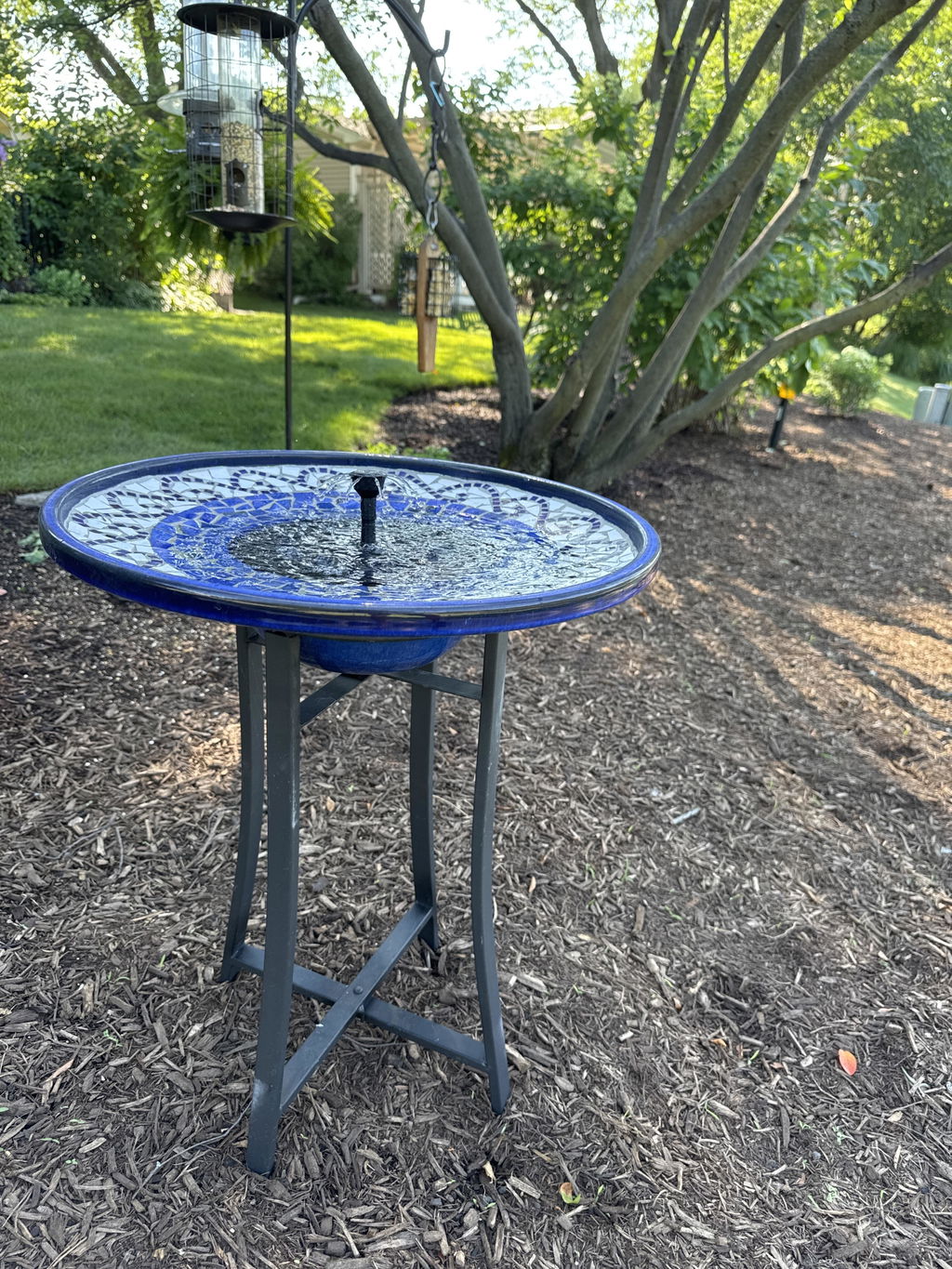
Ceramic Bird Baths and fountains present a vibrant addition to any outdoor space. They’re often colorful and intricate, appealing to those wanting to make a statement.
Pros:
-
Aesthetic Appeal: Ceramic fountains often feature gorgeous glazes and detailed designs.
-
Lightweight: Easier to handle and move, ceramic is great for frequent rearrangements.
-
Variety: Availability in numerous shapes and styles to fit any garden theme seamlessly.
Cons:
-
Fragility: Ceramics can chip or crack if not handled properly or subjected to harsh weather.
-
Maintenance: They may require more care to maintain their appearance.
-
Limited Size: Large ceramic fountains can be difficult to find.
Metal
Metal fountains, often made from stainless steel or bronze, provide a modern twist to outdoor water features. They can serve as unique accent pieces.
Pros:
-
Modern Look: Metal brings a contemporary edge to traditional outdoor fountains.
-
Durability: Resistant to weather and corrosion, metal fountains are known for their long lifespan.
-
Reflective Finish: Metal can reflect light beautifully, creating stunning visual effects.
Cons:
-
Heat Retention: Metal can get extremely hot in direct sunlight, which may not be comfortable for birds.
-
Rust Potential: Without proper treatment, some metals may rust over time.
-
Cost: High-quality metal fountains may come at a higher price point compared to other materials.
Wood
Wooden outdoor fountains typically offer a rustic and organic feel, often being less conventional than stone or concrete options. They can create a serene atmosphere when surrounded by flowers and greenery.
Pros:
-
Natural Look: Wooden fountains can blend beautifully with nature.
-
Lightweight: Easier to manipulate compared to stone or concrete fountains.
-
Customizable: You can easily modify or create a wooden fountain yourself.
Cons:
-
Durability: Wood is susceptible to rotting, especially when exposed to constant moisture.
-
Maintenance Requirements: Wooden fountains will necessitate regular sealing or treatment to prolong their life.
-
Limited Lifespan: Compared to stone or metal, wood may not last as long in outdoor settings.
Choosing the Right Material for Your Outdoor Fountain
The right material for your garden fountain depends on your specific needs, preferences, and the climate you reside in. Here are some factors to consider:
Design Goals
Are you looking for a statement piece, or will your fountain blend into the landscape? Consider how the material and design align with your vision. For a subtle aesthetic, a Concrete Bird Bath may suit your needs, while a striking metal fountain could serve as an exciting focal point.
Maintenance and Care
Different materials require varying levels of maintenance. If you want something low-maintenance, stone or concrete might be your best bet. However, if you enjoy gardening and taking care of your space, a ceramic or wooden option may provide creative outlets for design and maintenance.
Durability Concerns
Consider your location's weather conditions. If you experience harsh winters, sympathetic choices like stone or concrete are less prone to cracking. Alternatively, a Solar powered water feature can avoid plumbing problems associated with freezing pipes.
The Environmental Aspect
Opting for sustainably sourced materials can benefit the environment. Investing in solar water fountains not only reduces electrical consumption but also serves dual purposes as water-saving devices. Not only do they look great in your garden, but they help draw wildlife, such as birds and butterflies, who frequent bird baths for hydration and splashing.
For instance, a solar waterfall fountain offers the perfect marriage of beauty and eco-friendliness, providing uninterrupted movement without dependence on traditional power sources.
Whether You're Planning a Small Fountain or a Grand Installation
The choices are diverse and overwhelming. Yet understanding the pros and cons of various materials will help you make informed choices when selecting the right fountain. Don't forget to consider how the fountain will fit within your overall outdoor design aesthetic and the function it will serve. Whether you choose a quaint Bird Bath or a majestic garden water feature, investing time in selecting the right material will pay off in enhanced beauty and enjoyment for years to come.
Crafting the perfect outdoor oasis starts with a fountain integrated seamlessly into your design vision. With the right combination of functionality and beauty, your outdoor space can reflect tranquility and comfort. So go ahead and explore all that your garden can be! Your ideal fountain awaits!
Linked Product

Giannini Garden Sirena Mermaid Concrete Outdoor Fountain 1676
The Giannini Garden Sirena Mermaid Concrete Outdoor Fountain 1676 offers a serene water feature for outdoor spaces, with water cascading elegantly from the mermaid's head into tiered bowls. Made from durable fiber-reinforced cast stone concrete, this fountain is designed for longevity and easy maintenance, requiring no external plumbing thanks to its integrated electric pump. With various finish options available, it can enhance the aesthetic of any garden or patio while providing the soothing sounds of flowing water.
View Product


Leave a comment