Overview
Fountains have a rich history in garden design, evolving from ancient civilizations to modern eco-friendly features. They enhance aesthetic appeal, provide tranquility, and can increase property value. Contemporary designs emphasize sustainability and creativity, while DIY projects allow for personalization. Proper maintenance is essential for longevity, and the future of fountain design promises exciting innovations that prioritize environmental awareness.
Key Takeaways
-
Historical Significance: Garden fountains date back to ancient civilizations, with origins in Mesopotamia around 4000 B.C. for both aesthetic and practical uses.
-
Roman Innovations: The Romans revolutionized fountains, creating intricate designs and extensive aqueducts that enhanced public and private gardens.
-
Renaissance Masterpieces: Fountains during the Renaissance became symbols of wealth and artistry, exemplified by the grand fountains of Versailles.
-
Modern Trends: Contemporary fountains focus on sustainability, utilizing eco-friendly materials and innovative designs that blend with natural landscapes.
-
Therapeutic Benefits: The soothing sound of flowing water from fountains is known to reduce stress and improve mood, making them popular in residential gardens.
-
DIY Appeal: Many gardeners enjoy creating personalized DIY fountains, adding unique character and charm to their outdoor spaces.
-
Curb Appeal Enhancement: Installing a garden fountain can significantly boost a property's curb appeal and overall value, creating a welcoming atmosphere.
Fountains have graced gardens, parks, and plazas for centuries, adding aesthetic value and a sense of tranquility to outdoor spaces. As design elements, they have evolved through various cultures and historical movements, reflecting changes in both aesthetic preferences and technological advancements. In this article, we will explore the fascinating history of fountains in garden design, highlighting key developments, iconic styles, and the enduring appeal of garden water features.
The Origins of Garden Fountains
The use of water in gardens dates back to ancient civilizations, where it was incorporated not only for its beauty but also for practical purposes such as irrigation. The earliest known garden fountains originated in Mesopotamia, around 4000 B.C., where simple basins were adorned with flowing water sourced from nearby rivers.
In ancient Egypt, fountains took on both utilitarian and ceremonial roles. Water was viewed as a sacred element, essential for purification rituals and religious ceremonies. The Egyptians created elaborate gardens with fountains as symbols of abundance and prosperity, often placed near temples.
Fountains in Ancient Rome
The Romans are credited with revolutionizing the garden fountain concept, transforming it into an art form. They built extensive aqueducts to transport water from distant sources, allowing them to create magnificent water features in their villas and public spaces. The iconic 2-tier fountain became synonymous with Roman gardens, often featuring intricate sculptures and mosaics.
Roman gardens, characterized by symmetry and balance, prominently featured these stunning fountains. They served not only aesthetic purposes but also provided cool respite from the warmth of the Mediterranean sun, inviting social interaction and relaxation.
Renaissance and Baroque Fountains
The Renaissance period marked a revival of classical design elements, leading to a renewed interest in garden fountains. During this time, fountains transformed into elaborate masterpieces, showcasing the dominance of nature and human artistry. The garden fountain became a symbol of wealth and cultural sophistication.
In France, the gardens of Versailles became iconic for their grand fountains, including the grandiose 2-tier fountain set amidst perfectly manicured hedges. These fountains not only functioned as decorative elements but also as part of hydraulic systems that created stunning visual displays with water jetted high into the air.
Baroque fountains
Baroque gardens took opulence to new heights. Fountains featured dynamic sculptures, playful water jets, and intricate designs that celebrated motion. They were designed to engage visitors, often leading them through carefully planned pathways to reveal stunning vistas and unexpected surprises.
The Modern Era: A Shift in Design Philosophy
As the 18th and 19th centuries introduced new artistic movements, garden design underwent significant changes. The English landscape gardens embraced a more naturalistic approach, focusing on simplicity and integration with the surrounding landscape. Fountains evolved to reflect this shift, with an emphasis on blending harmoniously into the environment.
In modern times, garden water features have diversified significantly, ranging from traditional stone and marble designs to contemporary and minimalist styles. The rise of sustainable practices has also influenced the creation of eco-friendly fountains that reuse water and promote biodiversity.
Functional Art: The Role of Bird Baths
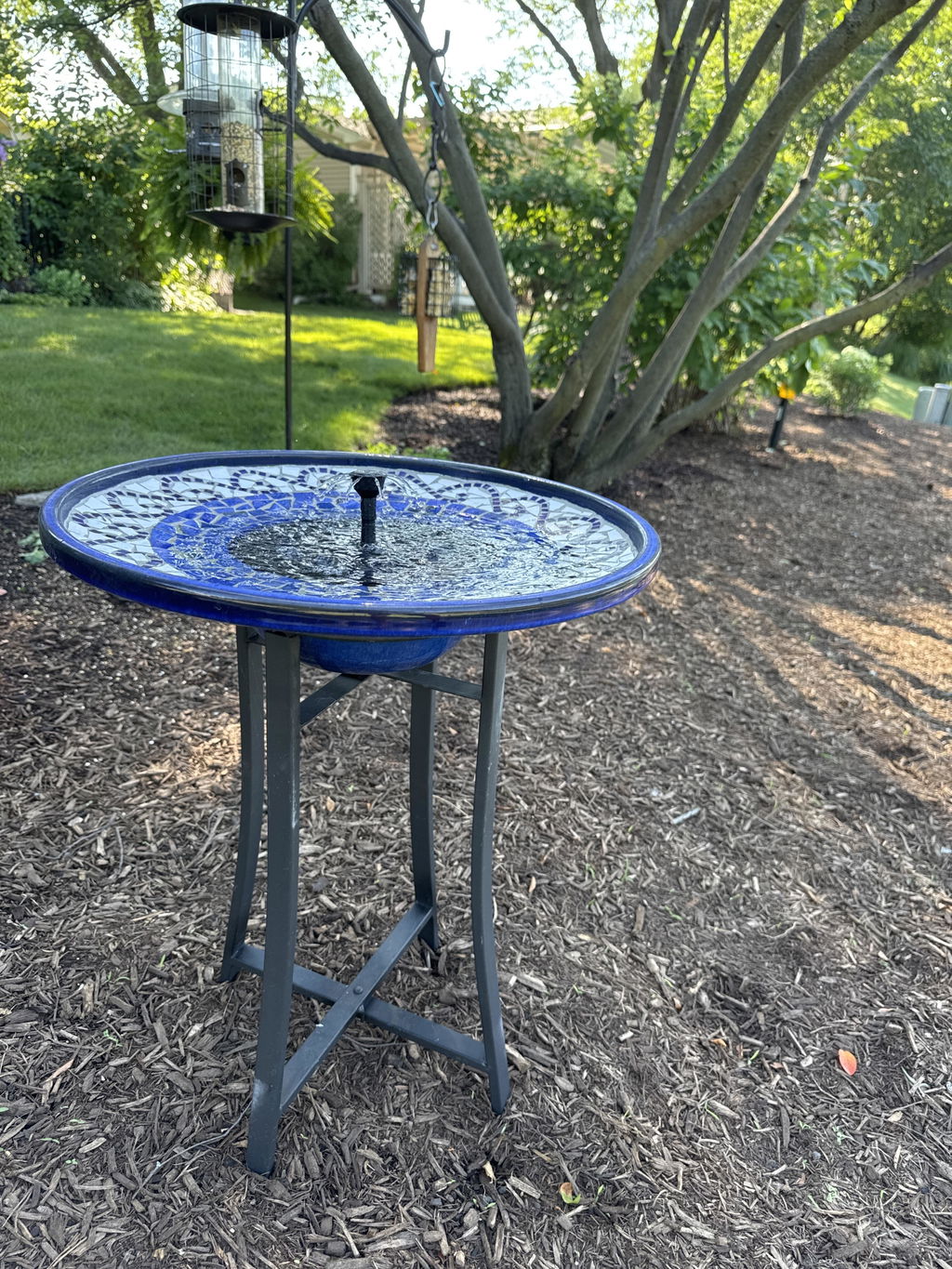
As garden enthusiasts sought to create diverse outdoor habitats, bird baths became increasingly popular. The Ceramic Bird Bath and the Solar Bird Bath are excellent examples of how functionality and design can harmoniously coexist. These bird baths attract feathered visitors, providing them with hydration and bathing opportunities while enhancing the garden's beauty.
Bird bath bowls, a charming addition to any garden, serve as a perfect complement to fountains. Their versatility ensures they fit seamlessly into various styles, from whimsical to formal, making them popular among gardeners aiming to create inviting spaces for birdlife.
Fountains as a Therapeutic Element
Today, garden fountains are cherished for their soothing qualities. The sound of flowing water creates a calming ambiance that can rejuvenate the soul. Homeowners increasingly seek to incorporate these elements into their outdoor spaces, recognizing the mental health benefits of spending time near water features.
Research suggests that gardens with water features are beneficial for reducing stress, improving mood, and fostering relaxation. This insight has led to the popularity of installing a garden fountain in backyards, patios, and even rooftop gardens to promote a tranquil escape.
Trendy Designs in Contemporary Landscapes
In contemporary garden design, creativity knows no bounds. Many modern landscapes feature innovative approaches to fountain design, utilizing materials such as glass, metal, and recycled materials. The emphasis is not only on aesthetics but also on sustainability and environmental responsibility.
Architects and designers are increasingly incorporating technology into garden features, creating interactive fountains that respond to movement or sound. Such advancements lead to a more engaging experience for visitors, attracting attention to the beauty of garden water features.
Fountains: A Global Perspective
The appreciation of fountains transcends cultural boundaries. Across the globe, different regions have added their unique touch to fountain design. In Asia, for example, traditional Japanese gardens feature serene koi ponds with small cascading water elements, symbolizing harmony and balance.
In contrast, Middle Eastern gardens showcase intricate mosaics and geometric designs around central fountains, with water representing life and fertility. The cultural significance of water is often reflected through artistic expression, giving every fountain a story to tell.
The Appeal of DIY Fountains
As gardening evolves into a more personalized art form, DIY projects have gained popularity. Many enthusiasts appreciate the satisfaction of crafting their own garden fountain, whether through repurposing household items or constructing elaborate designs from scratch. DIY fountains can range from simple bird baths made from household materials to larger, more complex features.
Creating a DIY garden fountain allows individuals to add a personal touch, tailoring size, style, and materials to harmonize with existing elements in their gardens. Sharing these creative projects online inspires others and fosters a sense of community among gardening enthusiasts.
Enhancing Curb Appeal with Garden Water Features
One of the many advantages of incorporating garden fountains is the positive impact on curb appeal. A well-designed fountain can transform an ordinary yard into an inviting sanctuary, attracting the admiration of passersby and visitors alike. Additionally, fountains can act as focal points, drawing attention to other key features of the garden.
Homeowners often experience increased property value by adding garden water features, as they create an oasis that enhances outdoor living experiences. Creating a welcoming environment through design promotes a sense of pride and satisfaction for homeowners.
Maintenance and Care Tips
To ensure that your garden fountain remains a stunning feature in your outdoor space, proper maintenance is essential. Regular checks and cleaning will keep the water clear and free of debris. Here are a few care tips:
- Clean the fountain regularly to prevent algae buildup.
- Check pumps and filters to ensure they are functioning well.
- Consider adding water treatments to help maintain clarity and hygiene.
- Winterize fountains in colder climates to prevent damage from freezing temperatures.
Embracing the Future of Fountain Design
As we move further into the 21st century, the fascination with fountains continues to thrive. The design innovations and sustainable practices emerging today promise to shape the future of garden water features in exciting ways. With a commitment to ecological awareness, modern garden designs will likely incorporate more sustainable materials and water conservation techniques.
Garden enthusiasts around the world will continue to explore new ways to integrate fountains into their outdoor spaces, combining artistic vision with a profound respect for nature. As technology evolves and environmental consciousness grows, the fountain will remain a symbol of beauty, serenity, and connection to the natural world.
Whether you are considering adding a stunning 2-tier fountain or a charming Ceramic Bird Bath to your garden, the options are boundless. Embrace the allure of garden water features and create your personal oasis, a place where tranquility reigns and creativity flourishes.
Linked Product

Sunnydaze 50" 2-Tier Outdoor Water Fountain French Garden Design
The Sunnydaze 50" 2-Tier Outdoor Water Fountain features a French garden design that adds a classic aesthetic to any outdoor space. With a durable glass fiber reinforced concrete construction, it is built to withstand various weather conditions while providing soothing water sounds. This fountain is easy to set up with no plumbing required—just assemble, fill, and plug in to enjoy its calming atmosphere.
View Product


Leave a comment